Annual base rent before other occupancy costs.
Executive operating brief · October 2026
Turn eleven years of demand into predictable cash flow.
Jersey Jo’s has the product, reputation, mobile assets and market position. The opportunity is to connect them: stabilize the restaurant, book the truck and trailer, build year-round catering, validate sauces, and earn the right to own the next building.
Public evidenceManagement inputsEditable assumptions
THE MANDATE
Stabilize.
Monetize.
Then capitalize. AXLETE × JERSEY JO’S
Monetize.
Then capitalize. AXLETE × JERSEY JO’S
Operating history11 years
Monthly lease$7,000
Reported monthly sales$2K–$40K
Growth assets6 engines
RESTAURANT CONTRIBUTION CATERING PIPELINE MOBILE UTILIZATION WINTER RESERVE SAUCE VALIDATION PROPERTY READINESS
01 / The executive read
A strong product.
A volatile operating system.
The public evidence suggests Jersey Jo’s has already solved the hardest restaurant problem: customers value the product. The next constraint is converting seasonal demand and owned assets into dependable contribution.
AXLETE POSITION
This is not a grant-search project. It is a profitability-first operating partnership with capital as the final output—not the starting point.
Peak events can create cash. They do not, by themselves, prove that a larger facility or larger loan is supportable through winter.
DoorDash rating from 100+ ratings when reviewed.
Vehicles on 2nd Street SW per day.
Mayo employees in the city’s 2024 employer schedule.
Beds at Mayo Clinic Saint Marys Campus.
01IMMEDIATE
Construction is suppressing convenience now.
16th Avenue access from 2nd Street is currently constrained. High corridor traffic is not the same as easy restaurant access.
AXLETE ACTIONAccess messaging, pickup clarity, local search updates and source-coded offers.
02OBSERVED
Higher-value channels are undersold online.
The catering page is primarily image-based, while the food-truck page does not clearly expose a strong schedule and booking workflow.
AXLETE ACTIONPackages, minimums, lead form, response ownership and event calendar.
03REQUIRES DATA
Channel economics are not yet separated.
A successful festival can hide a weak restaurant month—or restaurant cash can subsidize an unprofitable mobile event.
AXLETE ACTIONContribution P&Ls for restaurant, delivery, truck, trailer and catering.
04CAPITAL GATE
Property must follow normalized cash flow.
Ownership can build equity, but it replaces rent with debt service, tax, insurance, maintenance, reserves and execution risk.
AXLETE ACTIONLease, equipped-building and production-facility comparison.
02 / Public evidence
The market is visible.
The economics are not.
These public snapshots show product strength, mobile capacity and current access friction. They are evidence of opportunity—not substitutes for Jersey Jo’s internal financial records.
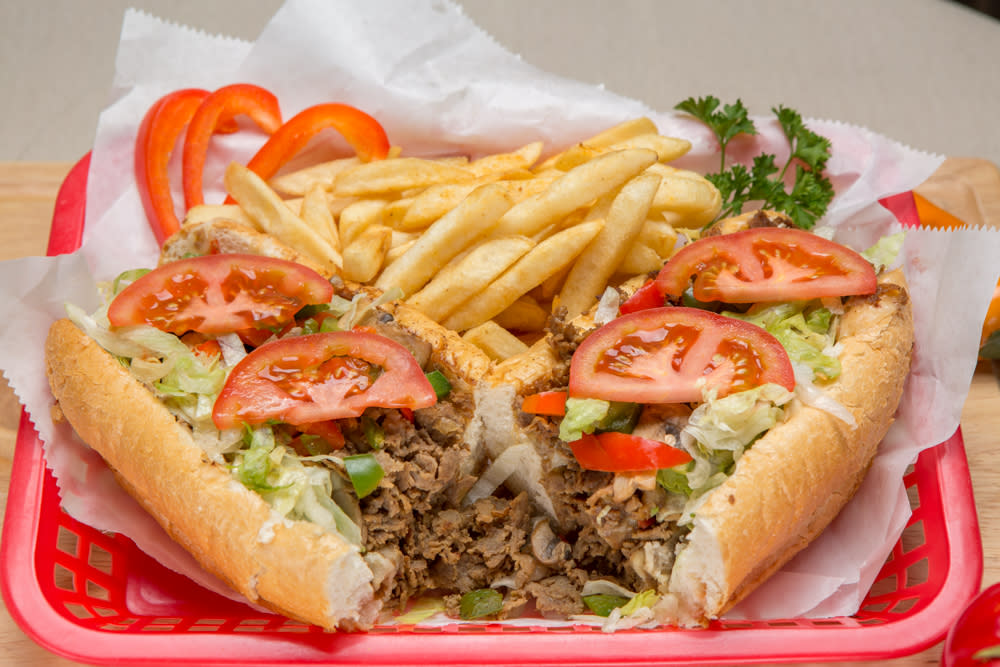
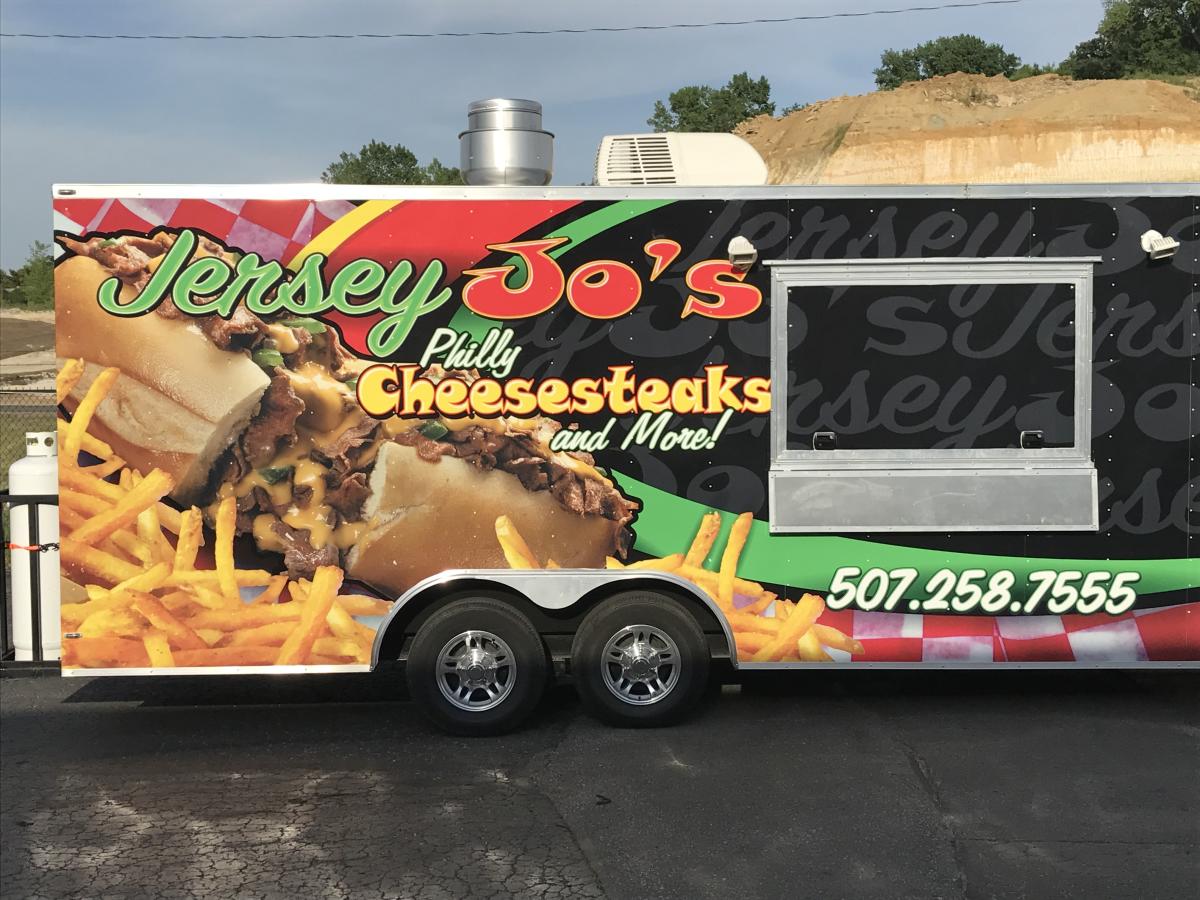

PUBLIC-SURFACE FINDING
Demand signals are strong. The missing layer is attribution: which channel, order source, event and menu family turns that demand into retained cash?
03 / Seasonal cash architecture
Do not average a business
that lives in extremes.
The reported $2K–$40K monthly range describes a seasonal operating cycle. Adjust the assumptions below to see how rent exposure and peak-season reserve requirements change.
EDITABLE PLANNING ASSUMPTIONS
Build the annual sales shape
The default scenario is anchored only to management’s reported monthly range. It is not a forecast.
ILLUSTRATIVE ANNUAL SALES$240K
BASE RENT / SALES35.0%
LOW-MONTH RENT GAP$5K
$7K monthly base rent
MANAGEMENT IMPLICATION
Peak months must do more than produce sales—they must build the reserve and booked pipeline that carry fixed obligations through winter.
MONTHLY SALES$2K350%rent burden
MONTHLY SALES$10K70%rent burden
MONTHLY SALES$20K35%rent burden
MONTHLY SALES$30K23%rent burden
MONTHLY SALES$40K17.5%rent burden
04 / Six-engine operating company
One brand.
Six accountable economics.
Each channel needs its own sales, direct costs, contribution, owner and cash forecast. Select an engine to see the management question and AXLETE output.
BASELINE PROFIT ENGINE
Can the restaurant produce dependable weekly contribution through every season?
Separate dine-in, pickup, first-party delivery and third-party delivery economics; then optimize menu contribution, labor deployment, purchasing and construction-period traffic.
AXLETE OUTPUTWeekly restaurant contribution scorecard and ranked operating actions.
Mobile lease-coverage model
Can booked events cover the entire base lease?
Move the inputs. The model tracks contribution after event-specific food, labor, travel and other variable costs—but before shared overhead, taxes and financing.
Events × average sales × contribution margin
MONTHLY EVENT CONTRIBUTION$7,200
103%of base rent
This scenario covers the $7,000 monthly base rent.
05 / C-corp + property architecture
Own the building deliberately.
Not emotionally.
Jersey Jo’s is a C corporation. The property decision should compare operational simplicity with liability, tax and future-sale flexibility before a purchase agreement is signed.
SIMPLER OWNERSHIP
Jersey Jo’s Inc. owns and operates from the building.
One borrower and one entity can simplify operations, but operating liabilities and real estate remain together and later property disposition may create additional tax friction.
POTENTIAL ADVANTAGESimpler entity and lender administration.
PRIMARY QUESTIONDoes simplicity outweigh liability and exit constraints?
MODEL WITH CPA · ATTORNEY · LENDER
FEDERAL C-CORP RATE21%Before credits and adjustments
MINNESOTA CORPORATE RATE9.8%Taxable bases differ; do not simply add
UNDERWRITING FILE1120 + M4Plus officer pay, retained earnings and shareholder activity
CAPITAL RULECash firstDebt capacity follows normalized contribution
06 / Capital stack
Assign the right dollars
to the right decision.
Loan ceilings are not borrowing capacity. Grants do not rescue weak economics. Every source must match an eligible cost, approval sequence and repayment case.
01Operating improvements
Menu, labor, purchasing, access, booking and attribution.
02Project incentives
Rebates or reimbursement only when the project already works.
03Equipment + working capital
Debt sized to proven repayment capacity.
04Property financing
After normalized cash flow, reserves and equity are credible.
PROMISE Loan
Up to $1.5M · ≤3%Potential real estate, redevelopment and equipment lane. Revenue, location, lender and underwriting requirements still apply.
Official report ↗SBA 7(a)
Up to $5MEligible real estate, equipment and working-capital uses, subject to lender underwriting and program rules.
SBA overview ↗SBA 504
Up to $5.5M SBA portionLong-term financing for qualifying owner-occupied property and major fixed assets—not ordinary working capital.
SBA 504 ↗SMIF
Up to $200KUp to 50% of project cost with local lending participation, collateral, cash flow and guarantees.
SMIF program ↗RPU financing
Up to $25K · 0%Pre-approved qualifying efficiency projects completed through a participating service provider.
RPU program ↗Make It Minnesota
Up to $4KFY27 marketing cost-share for qualifying Minnesota-manufactured packaged brands after a compliant sauce path exists.
MDA program ↗Correction:
The current MPCA organics program is an approximately $6M statewide pool—not an automatic $100K–$1.5M restaurant grant. Apply only if a genuinely eligible organics-expansion project exists.
Verify current programs ↗07 / 30-day 360° diagnostic
From public signals
to quantified decisions.
AXLETE will replace assumptions with source data, repair urgent leakage and produce the operating and capital system leadership can actually use.
RECONCILE + SEPARATE
Build the channel-level economic truth.
Reconcile POS, bank, merchant, payroll, tax and cash records across restaurant, delivery, food truck, trailer and catering.
RECONCILED P&Ls13-WEEK CASH FORECASTWINTER RESERVE TARGETCATERING PIPELINEEVENT CONTRIBUTIONPROPERTY DECISION MODELLENDER PACKAGE90-DAY EXECUTION PLAN
The decision sequence
Profitability earns optionality.
AXLETE’s job is to help Joe see what each channel truly produces, close the winter cash gap, monetize the assets already owned, and pursue property from a position of evidence—not pressure.
01StabilizeRestaurant cash contribution
→
02MonetizeCatering + mobile assets
→
03ValidateLiquor + sauces
→
04CapitalizeProperty ownership
Scope and fee will be finalized after financial access and the diagnostic workplan are confirmed.